The MBBS (Bachelor of Medicine, Bachelor of Surgery) course remains the primary pathway to becoming a licensed medical practitioner in India. Prospective medical students in Patna and across Bihar frequently ask about the program’s structure, duration, and what the journey entails from admission through internship. Understanding these components helps students and their families prepare for the five-and-a-half-year commitment required to earn this professional degree.
Table of Contents
Duration and Structure of MBBS in India
The MBBS program spans exactly five and a half years. This period divides into four and a half years of academic coursework followed by a compulsory one-year rotating internship. The National Medical Commission (NMC) mandates this structure across all recognized medical colleges in India, ensuring standardized training whether you study at AIIMS Patna, Patna Medical College, or any other institution.

Academic years typically run from August to July, though individual colleges may adjust examination schedules. Students must complete each professional year successfully before progressing, and no lateral entry exists once the program begins.
Core Subjects Across Four Professional Years
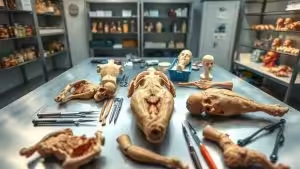
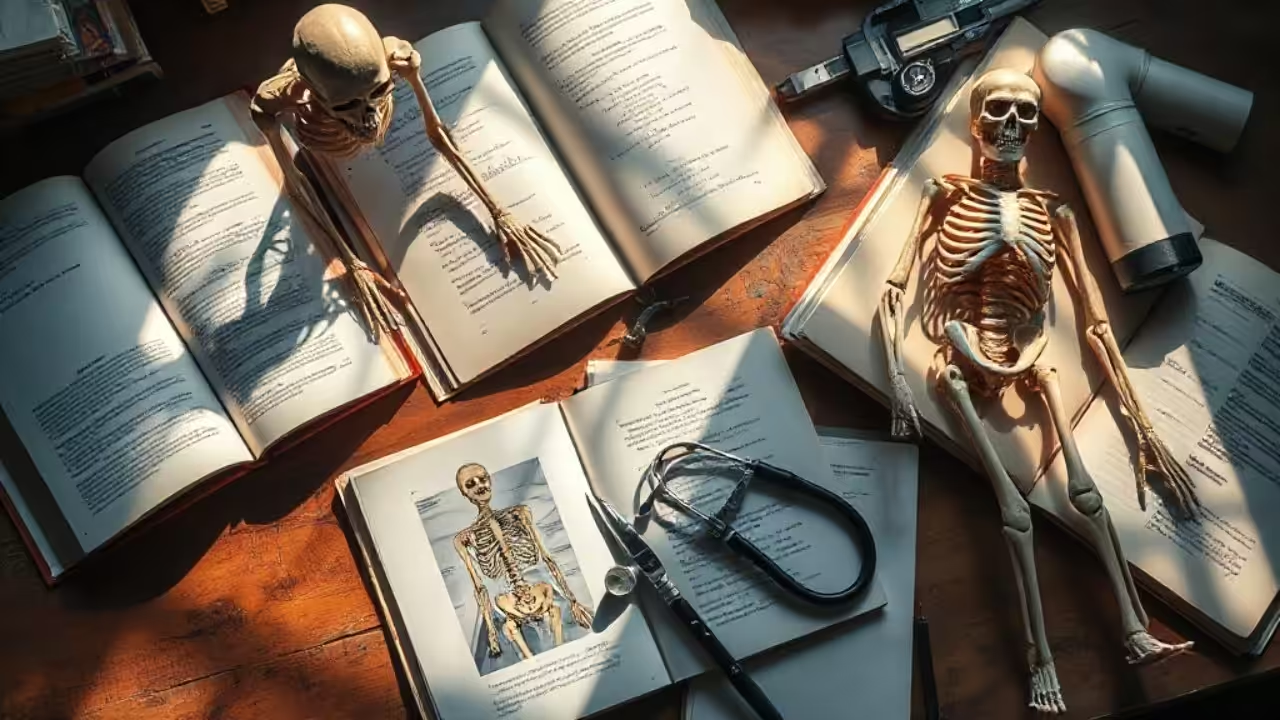
The curriculum progresses systematically through pre-clinical, para-clinical, and clinical phases. First-year students study Anatomy, Physiology, and Biochemistry while developing foundational laboratory skills. Second year introduces Pathology, Microbiology, Pharmacology, and Forensic Medicine alongside Toxicology.
Clinical exposure intensifies during third and fourth years. Students rotate through major specialties including General Medicine, General Surgery, Obstetrics and Gynecology, Pediatrics, Orthopedics, Ophthalmology, Otorhinolaryngology (ENT), Community Medicine, Psychiatry, Dermatology, and Anesthesiology. Clinical postings in Patna’s teaching hospitals typically begin at institutions like Patna Medical College Hospital and Nalanda Medical College Hospital, where students observe patient care under faculty supervision.
| Professional Year | Primary Subjects | Duration |
|---|---|---|
| First Year | Anatomy, Physiology, Biochemistry | 1 year |
| Second Year | Pathology, Microbiology, Pharmacology, Forensic Medicine | 1.5 years |
| Third Year (Part 1) | General Medicine, General Surgery, Obstetrics & Gynecology, Pediatrics | 1 year |
| Third Year (Part 2) | Orthopedics, ENT, Ophthalmology, Community Medicine | 1 year |
| Compulsory Internship | Rotating postings across specialties | 1 year |
Compulsory Rotating Internship

After clearing all university examinations, graduates enter the compulsory rotating internship phase. According to National Medical Commission official website, this year-long practical training requires rotations through Medicine, Surgery, Obstetrics and Gynecology, Pediatrics, and Community Medicine, with optional postings in other departments.
Interns function as supervised junior doctors, managing patients, assisting in procedures, maintaining case records, and participating in emergency duty rosters. Most medical colleges in Bihar, including those in Patna, provide a monthly stipend ranging from ₹15,000 to ₹25,000 during this period. Only after completing internship can graduates register with the State Medical Council and practice independently.
Career Pathways After MBBS Completion
Upon receiving provisional registration from the Bihar Medical Council, doctors face several career directions. Many pursue postgraduate specialization through NEET-PG, competing for MD (Doctor of Medicine) or MS (Master of Surgery) seats in various specialties. This remains the most common path among Patna’s medical graduates seeking advanced training.

Others begin general practice, opening clinics in urban centers like Patna or rural areas across Bihar where physician shortages persist. Government service through positions at Primary Health Centers, Community Health Centers, or district hospitals offers job security and defined career progression. Private hospitals in Patna’s expanding healthcare sector actively recruit fresh MBBS graduates for casualty and ward duties.
Alternative career streams include medical writing, pharmaceutical industry roles, healthcare administration, medical coding, and clinical research. Some graduates pursue non-clinical options like hospital management or public health after gaining initial clinical experience.
Examination Pattern and Assessment
Students face university examinations at the end of each professional year. These typically combine written theory papers, practical examinations, oral viva voce, and clinical case presentations. Bihar’s medical universities follow the competency-based medical education (CBME) curriculum mandated by the NMC, which emphasizes skill acquisition alongside theoretical knowledge.
Internal assessment through continuous evaluation, ward postings, seminars, and clinical presentations contributes to final scores. The pass percentage varies by subject and year, with anatomy historically maintaining the highest failure rates during first year. Students who fail subjects must clear supplementary examinations before progressing.
The MBBS journey demands sustained academic effort, adaptability to clinical environments, and genuine commitment to patient welfare. Prospective students in Patna considering this path should evaluate their readiness for both the intellectual rigor and emotional demands inherent in medical training.