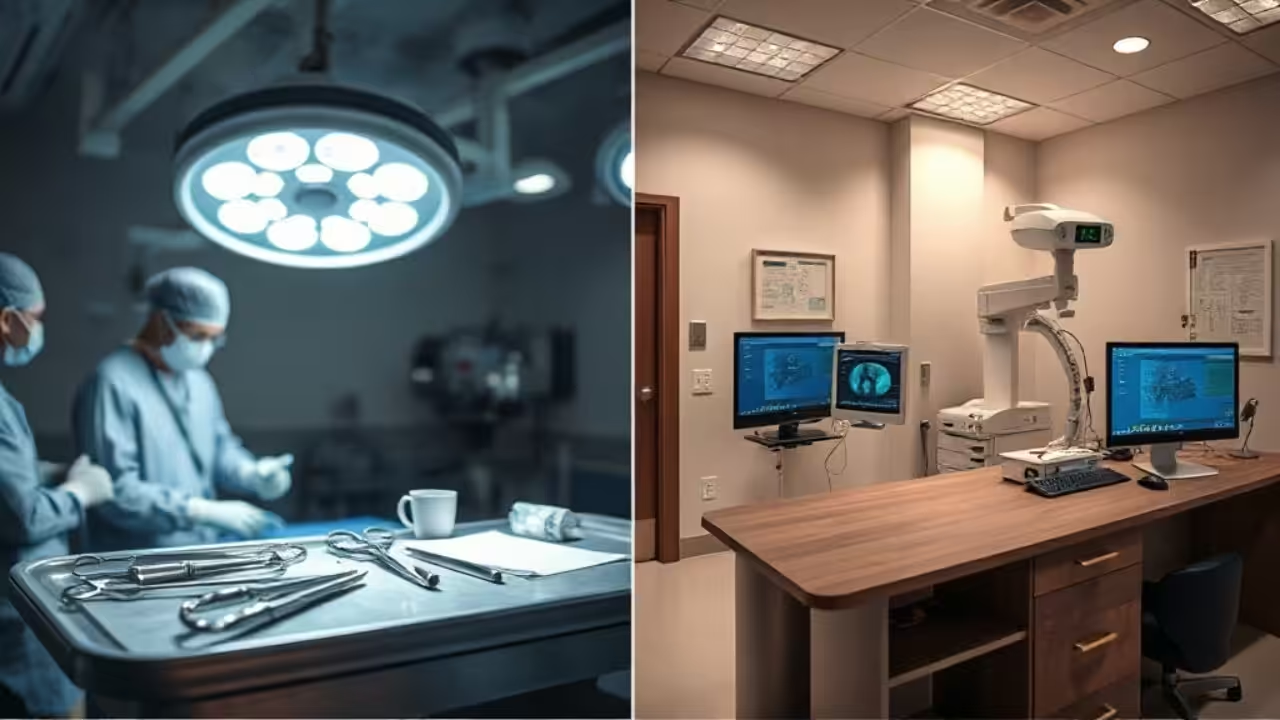
Completing an MBBS degree in Patna marks the beginning of a critical decision phase for medical graduates: choosing between MD (Doctor of Medicine) and MS (Master of Surgery) for postgraduate specialization. Both pathways lead to distinct career trajectories, and understanding their fundamental differences helps students align their professional goals with their aptitudes and interests.
Table of Contents
Core Distinction Between MD and MS
MD focuses on non-surgical medical disciplines where diagnosis, medication, and therapeutic management form the treatment foundation. Physicians pursuing MD specialize in areas requiring analytical thinking, patient counseling, and long-term disease management. MS, conversely, centers on surgical interventions and procedural expertise. Surgeons develop technical precision, operating room skills, and manage conditions requiring physical correction or removal of diseased tissue.
The fundamental difference extends beyond the operating theater. MD professionals typically engage in continuous patient relationships, managing chronic conditions through regular consultations. MS graduates perform procedures with defined outcomes, often seeing patients through acute phases before transitioning care.
Popular MD and MS Branches
MD branches include General Medicine, Pediatrics, Psychiatry, Dermatology, Anesthesiology, Pathology, and Radiodiagnosis. These specialties suit individuals drawn to diagnostic challenges, preventive care, and managing complex medical conditions. Institutions across Bihar, including Patna Medical College, offer several MD programs catering to diverse interests.
MS branches encompass General Surgery, Orthopedics, Ophthalmology, Otorhinolaryngology (ENT), Obstetrics and Gynecology, and Urology. Students with manual dexterity, spatial reasoning ability, and comfort with high-pressure decision-making often gravitate toward surgical fields. According to [CITE: NEET PG specialty allocation trends India medical colleges], surgical branches consistently attract competitive NEET-PG scorers seeking procedural careers.
| Aspect | MD (Doctor of Medicine) | MS (Master of Surgery) |
|---|---|---|
| Primary Focus | Medical diagnosis and non-invasive treatment | Surgical procedures and operative interventions |
| Work Environment | Outpatient clinics, consultation rooms, diagnostic centers | Operating theaters, surgical wards, emergency rooms |
| Career Pace | Continuous patient management with scheduled consultations | Procedure-based with acute care episodes |
| Popular Branches | Pediatrics, Dermatology, Psychiatry, Radiology | Orthopedics, General Surgery, ENT, Ophthalmology |
| Skill Requirements | Analytical reasoning, communication, pattern recognition | Manual dexterity, spatial awareness, technical precision |
Career Scope and Growth Potential
Both pathways offer robust career opportunities in government hospitals, private medical institutions, research organizations, and academic teaching positions. MD graduates can establish successful private practices in urban centers like Patna, where demand for specialized consultants continues rising. Subspecialty fellowships (DM after MD) open doors to super-specialty domains like cardiology, neurology, and gastroenterology.
MS professionals often pursue MCh (Magister Chirurgiae) degrees for advanced surgical training in neurosurgery, plastic surgery, or cardiothoracic surgery. Private surgical practice yields substantial earning potential, particularly in orthopedics and ophthalmology. Government positions through medical services examinations provide stability with opportunities for departmental advancement.
Making the Right Choice
Students should assess their comfort with surgical exposure during MBBS rotations. Those energized by operating room experiences and hands-on procedures naturally fit surgical careers. Individuals who prefer diagnostic reasoning, patient interaction spanning months or years, and medical problem-solving find fulfillment in MD specialties.
Consider lifestyle factors: surgical careers often demand irregular hours and emergency availability, while many MD branches offer more predictable schedules. Financial considerations matter too. Surgical specialties typically involve higher setup costs for private practice but can generate substantial returns through procedural fees.
The decision between MD and MS shapes your entire professional identity. Reflect on your strengths, observe practicing physicians in both fields, and choose the path that resonates with your vision of medical practice rather than external pressures or perceived prestige.