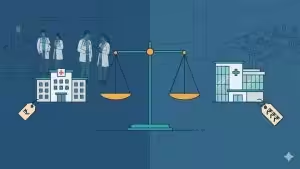
Maternal and child healthcare outcomes in Patna and across Bihar have improved significantly over the past decade, driven by coordinated government programmes and expanding hospital infrastructure. The state’s institutional delivery rate rose from 28% in 2005-06 to 64% in 2019-21, reflecting sustained policy intervention in one of India’s most populous regions. For medical students pursuing clinical rotations and MBBS training in Bihar, understanding these programmes provides essential context for community medicine practice and public health fieldwork.
Table of Contents
Key Government Programmes Strengthening Maternal Health
The Janani Suraksha Yojana (JSY) remains Bihar’s primary conditional cash transfer scheme for institutional deliveries. Women delivering in government facilities receive direct financial assistance, while Accredited Social Health Activists (ASHAs) earn incentives for facilitating hospital transport and postnatal follow-up. This dual-incentive model addresses both demand-side barriers and last-mile connectivity challenges prevalent in rural Bihar. The programme’s reach extends to all 38 districts, with higher payouts designated for deliveries in high-priority blocks.

Pradhan Mantri Surakshit Matritva Abhiyan (PMSMA) complements JSY by guaranteeing comprehensive antenatal checkups on the ninth day of every month at public health facilities. Medical officers and specialists conduct ultrasound examinations, risk assessments, and nutritional counseling during these fixed-day services. According to Bihar maternal health program details, the initiative has standardized antenatal care protocols across district hospitals and community health centers statewide.
Hospital Infrastructure Supporting Child Health Interventions
Patna’s tertiary care institutions, including Patnaikor Medical College and Hospital (PMCH), serve as referral centers for complicated pediatric cases from neighboring districts. Newborn care units with radiant warmers, phototherapy equipment, and ventilator support have been established at most district hospitals under the National Health Mission framework. These facilities manage high-risk neonates, premature births, and neonatal sepsis cases that primary health centers cannot address independently.
The Rashtriya Bal Swasthya Karyakram (RBSK) operates mobile health teams conducting school-based screenings for congenital defects, developmental delays, and childhood illnesses. Teams comprising pediatricians, dentists, and auxiliary nurses visit government schools quarterly, referring identified cases to district early intervention centers. This decentralized screening model enables early detection of correctable conditions like congenital heart defects and hearing impairments.
| Programme | Primary Focus | Key Benefit | Implementation Level |
|---|---|---|---|
| Janani Suraksha Yojana | Institutional Deliveries | Cash Assistance for Mothers | All Districts |
| PMSMA | Antenatal Care | Fixed-Day Specialist Checkups | PHC to District Hospitals |
| RBSK | Child Health Screening | Early Defect Detection | School and Community Level |
| LaQshya | Labour Room Quality | Standardized Delivery Protocols | District Hospitals |
Practical Implications for Medical Training and Clinical Exposure
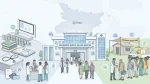
Medical students rotating through obstetrics and pediatrics departments in Bihar observe the implementation gaps between policy design and ground-level execution. While PMSMA mandates monthly antenatal clinics, understaffing and equipment shortages can delay services. Recognizing these operational challenges prepares students for realistic practice environments beyond urban teaching hospitals. Community medicine postings in primary health centers reveal how ASHA workers function as frontline health educators, bridging cultural barriers between rural families and institutional care.
The convergence of government schemes with hospital services creates measurable health improvements, yet Bihar’s maternal mortality ratio at 118 per 100,000 live births still exceeds the national average. Addressing this requires continued emphasis on emergency obstetric care training, ambulance response times, and blood bank accessibility. Medical graduates entering Bihar’s healthcare workforce inherit both the progress achieved through programmes like JSY and the persistent challenges demanding innovative solutions in resource-constrained settings.