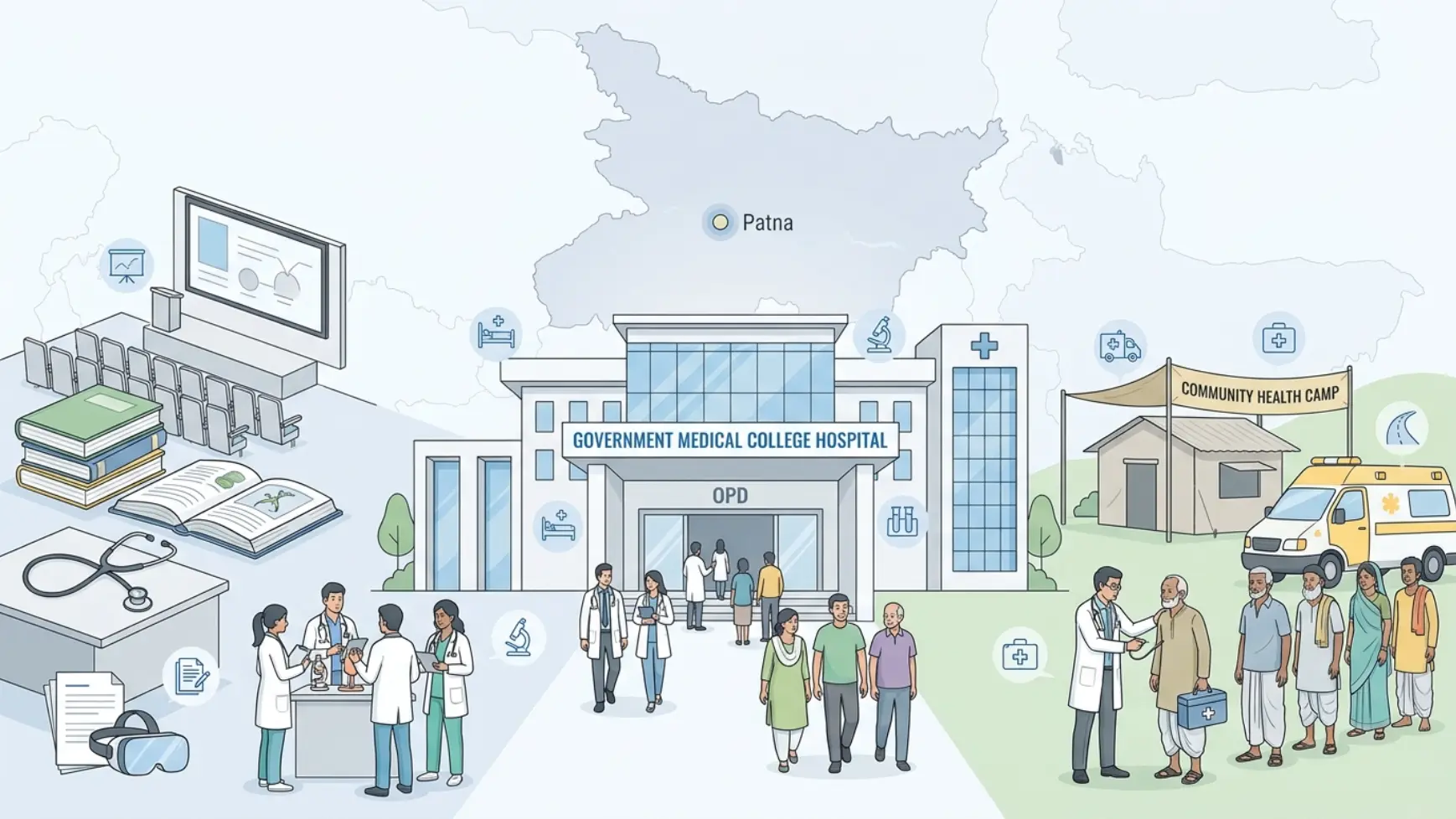
Government medical colleges in Bihar serve a dual mandate that extends far beyond classroom instruction. These institutions simultaneously train the next generation of physicians while providing essential healthcare services to millions of residents across Patna and surrounding districts. With Bihar’s population exceeding 128 million and a chronic shortage of medical practitioners, these colleges function as critical nodes in a fragile healthcare network.
Table of Contents
Infrastructure and Patient Care Capacity
Patna Medical College and Hospital, established in 1925, remains Bihar’s oldest and largest government medical institution. The facility operates over 1,800 beds and manages approximately 3,000 outpatient visits daily. Nalanda Medical College in Patna adds another 750 beds to the state’s healthcare capacity, while newer institutions like Indira Gandhi Institute of Medical Sciences (IGIMS) contribute specialized tertiary care services.
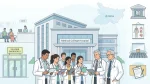
These teaching hospitals provide treatment at minimal cost, making advanced medical procedures accessible to economically disadvantaged populations. Patients travel from remote districts such as Araria, Sitamarhi, and Madhubani specifically to access subspecialty care unavailable in peripheral health centers. The concentration of diagnostic equipment, surgical facilities, and specialist physicians in these colleges makes them de facto referral centers for complex cases.
| Institution | Year Established | Bed Capacity | Average Daily OPD |
|---|---|---|---|
| Patna Medical College Hospital | 1925 | 1,800 | 3,000 |
| Nalanda Medical College | 1970 | 750 | 1,200 |
| IGIMS Patna | 1983 | 674 | 900 |
| Darbhanga Medical College | 1946 | 500 | 800 |
Training Medical Workforce for Underserved Areas
Bihar produces approximately 1,850 MBBS graduates annually from its 11 government medical colleges. Many of these students originate from rural areas and return to practice in their home districts after completing education. This pattern addresses physician maldistribution more effectively than private medical colleges, which predominantly serve urban populations. According to [CITE: National Medical Commission state-wise doctor population ratio Bihar], the state maintains a doctor-to-population ratio significantly below the WHO recommended threshold, making every government college graduate crucial to narrowing this gap.
Postgraduate training programs in these institutions prepare specialists in fields with acute shortages such as anesthesiology, radiology, and emergency medicine. The three-year MD and MS residency programs combine clinical exposure with academic rigor, producing physicians capable of managing resource-limited settings. Government colleges in Patna admit PG students through NEET-PG scores, ensuring merit-based selection while reserving seats for Bihar domicile candidates who are statistically more likely to remain in-state.
Community Health Outreach and Rural Camps
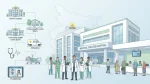
Medical colleges extend their impact beyond hospital walls through organized health camps in underserved blocks. Faculty members and senior students conduct screening programs for diabetes, hypertension, and anemia in villages lacking permanent healthcare facilities. These camps provide basic diagnostics, health education, and referral pathways for patients requiring advanced intervention.
Departments of Community Medicine coordinate immunization drives, maternal health initiatives, and tuberculosis detection programs in collaboration with district health authorities. Students gain field experience while delivering preventive care to populations who might otherwise never interact with qualified physicians. This model transforms medical education from purely clinical training into public health practice.
Research Contributions and Evidence-Based Policy
Government medical colleges generate region-specific health data that informs state policy decisions. Research on disease prevalence, treatment outcomes, and healthcare utilization patterns originating from these institutions helps authorities allocate resources more effectively. Studies on kala-azar elimination conducted at PMCH, for instance, provided evidence that shaped Bihar’s vector control strategies.
Faculty publications in peer-reviewed journals document local health challenges ranging from acute encephalitis syndrome in children to snakebite mortality patterns. This research foundation ensures interventions address actual disease burdens rather than imported models designed for different epidemiological contexts. According to [CITE: Indian Council of Medical Research Bihar health research publications], state institutions contribute measurably to national medical literature despite resource constraints.
Challenges Constraining Systemic Impact
Despite their importance, government medical colleges in Bihar operate under significant strain. Faculty shortages force remaining professors to manage teaching responsibilities alongside overwhelming patient loads, compromising both educational quality and clinical care. Infrastructure deficits including inadequate laboratory equipment, inconsistent power supply, and overcrowded wards limit service delivery.
Budget allocations per student remain substantially lower than counterparts in states like Tamil Nadu or Karnataka. This funding gap manifests in outdated curricula, insufficient hands-on training opportunities, and deferred facility maintenance. The shortage of support staff, from nursing personnel to laboratory technicians, further burdens physicians who must perform tasks beyond their training scope.
Future Expansion and Healthcare Integration
Bihar’s plan to establish medical colleges in every district represents an ambitious attempt to decentralize healthcare access. Eight new government medical colleges have become operational since 2018, with additional institutions in various stages of completion. Each new college theoretically adds 100 MBBS seats and creates a 500-bed hospital in previously underserved regions.
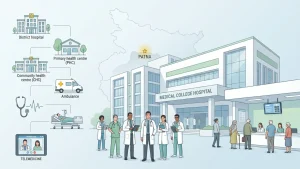
Success depends on attracting qualified faculty, ensuring consistent supply chains for medicines and consumables, and integrating these institutions with existing primary health centers. Well-functioning medical colleges can anchor district health systems by providing telemedicine consultations, continuing medical education for rural practitioners, and emergency referral services. The transformation of these colleges from isolated teaching facilities into networked healthcare hubs will determine whether Bihar can bridge its physician gap and improve health outcomes for its vast population.