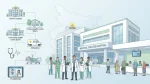
Bihar operates a three-tier emergency healthcare referral system connecting primary health centers, district hospitals, and specialized tertiary facilities. For medical students and families navigating the state’s healthcare infrastructure, understanding this network proves essential during clinical rotations and emergency situations in Patna and surrounding districts.
Table of Contents
Primary Contact Points in the Referral Chain
Primary Health Centers (PHCs) serve as the first contact point for emergency cases across Bihar’s rural blocks. Each PHC handles initial stabilization, basic trauma care, and maternal emergencies before referring complex cases upward. Community Health Centers (CHCs) at the sub-district level manage referrals from multiple PHCs, providing surgical capabilities and 24-hour emergency services. Medical students rotating through these facilities witness the volume pressures firsthand—CHCs often receive 40 to 60 emergency referrals weekly during peak seasons.

The referral protocol requires PHC medical officers to complete a standardized form documenting vital signs, provisional diagnosis, and interventions performed. This documentation accompanies the patient through each transfer level, though gaps in ambulance connectivity frequently disrupt the intended flow.
District and Tertiary Hospital Network
Patna Medical College and Hospital anchors the tertiary care network for Bihar, receiving critical referrals from all 38 districts. The 2,200-bed facility operates dedicated emergency wings for trauma, cardiac events, and obstetric complications. According to Bihar government health department, the hospital processes approximately 800 emergency admissions daily, with peak loads during monsoon months when trauma cases surge.
District hospitals in Gaya, Muzaffarpur, and Bhagalpur function as secondary referral centers, each maintaining 100 to 300 bed capacities. These institutions stabilize patients requiring subspecialty intervention before final transfer to Patna or AIIMS Patna when bed availability permits. MBBS students completing their compulsory rural postings rotate through district emergency departments, gaining exposure to high-acuity cases with limited diagnostic resources.
Government Hospital Infrastructure for Emergency Care

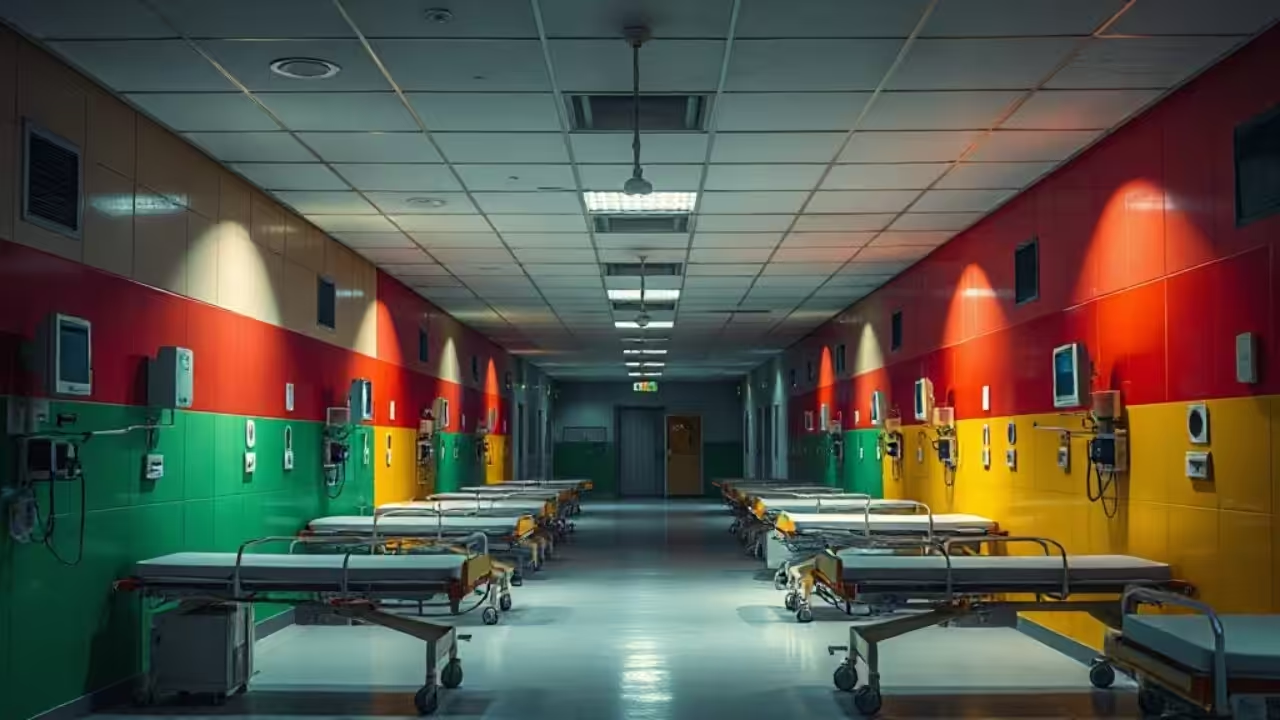
Bihar’s government hospital infrastructure includes specialized emergency protocols across facility tiers. The state has implemented a color-coded triage system—red for immediate life-threatening conditions, yellow for urgent cases requiring care within hours, and green for non-urgent presentations. Nursing staff at government hospitals complete mandatory triage training, though consistent application varies by facility workload.
| Facility Type | Emergency Beds | Ambulance Access | Specialist Availability |
|---|---|---|---|
| PHC (Rural) | 4 to 6 | Shared (108 service) | Medical Officer only |
| CHC (Sub-district) | 15 to 30 | Dedicated vehicle | Limited (surgery, OB-GYN) |
| District Hospital | 40 to 80 | 2 to 4 ambulances | Most specialties 8am to 6pm |
| Medical College Hospital | 150 to 250 | Fleet of 10+ | 24-hour coverage all specialties |
Practical Considerations for Medical Families
Parents of MBBS students should familiarize themselves with the 108 emergency ambulance service, which provides free transport across Bihar’s referral network. Response times average 25 to 40 minutes in urban Patna, extending to 60 minutes or longer in remote districts. Students posted at peripheral facilities benefit from keeping emergency contact numbers for their parent institution’s ambulance coordinator, enabling faster inter-facility transfers when clinical situations deteriorate.
The referral system functions most effectively for conditions requiring definitive surgical or specialized medical intervention. Time-sensitive emergencies such as myocardial infarction or severe head trauma demand direct presentation to tertiary centers when geographically feasible, bypassing lower tiers to access catheterization labs or neurosurgical capabilities available only in Patna.